Limited-Time Offer: Enjoy 50% Savings! Ends in 00h 00m 00s Coupon code: 50OFF
Skip to content

Free NFPA Certified Fire Plan Examiner CFPE Exam Questions

Page: 1 / 10 Total 100 questions

Want more questions? Get Premium Access.

Question 1

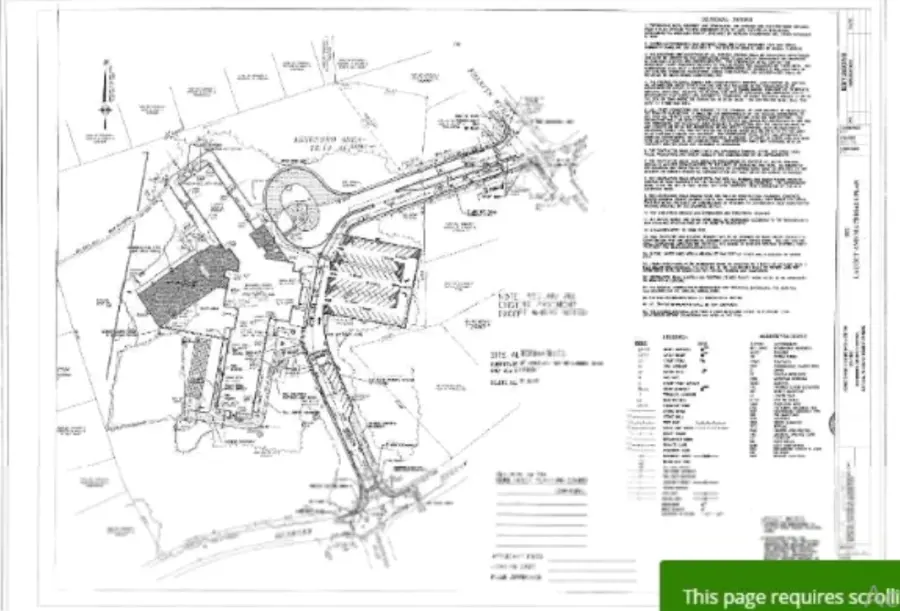
Exhibit.

Based on site plan C1 of the plan set what is the maximum depth the water lines are to be buried''

Correct Answer: A. 4 ft(1.2 m)
Explanation:

Based on site plan C1 of the plan set, the maximum depth for burying the water lines is 4 feet (1.2 meters). This depth is typically required to protect the pipes from freezing temperatures and mechanical damage while ensuring compliance with local codes and standards for water line installation.

Top of Form

Bottom of Form

Question 2

A 4 in. (101.6 mm) riser requires what minimum diameter pipe for the combination mam drain and alarm test connection?

Correct Answer: B. 1 in. (25.4 mm)
Explanation:

For a 4-inch (101.6 mm) riser, the minimum diameter pipe for the combination main drain and alarm test connection should be 1 inch (25.4 mm). This size is specified to ensure adequate water flow during a test or when draining the system, in accordance with NFPA 13, Standard for the Installation of Sprinkler Systems.


Question 3

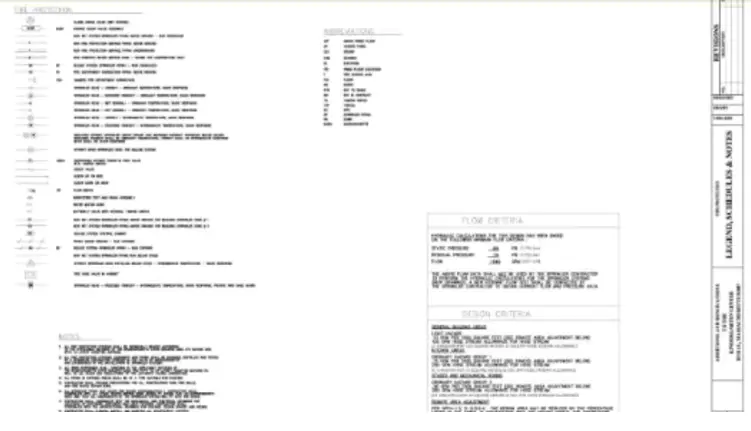
Exhibit.

All work performed on the sprinkler system described on plan sheet F0.1 shall be in accordance with which NFPA documents'?

Correct Answer: A. NFPA13andNFPA24
Explanation:

NFPA 13, Standard for the Installation of Sprinkler Systems, provides the minimum requirements for the design and installation of sprinkler systems in buildings. NFPA 24, Standard for the Installation of Private Fire Service Mains and Their Appurtenances, addresses the installation of underground fire service mains that supply fire protection systems. Together, these documents provide comprehensive guidance for the installation and maintenance of sprinkler systems as described on plan sheet F0.1.


Question 4

What is the maximum common path of travel permitted in a sprinklered educational occupancy?

Correct Answer: C. 100 ft (30 m)
Explanation:

According to NFPA 101, Life Safety Code, the maximum common path of travel in a sprinklered educational occupancy is 100 feet (30 meters). The common path of travel refers to the distance occupants must travel before having two separate means of egress. The code provides this limit to ensure that occupants have a reasonably short distance to safety, enhancing the likelihood of safe evacuation in an emergency.


Question 5

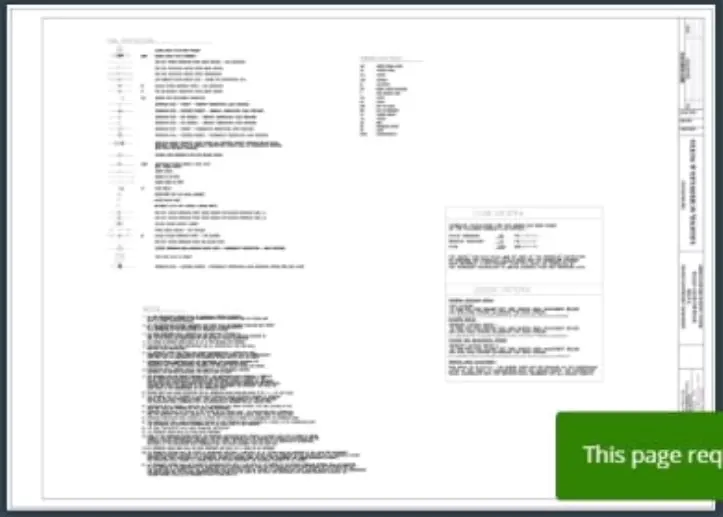
Exhibit.

On plan sheet P01 fire protection symbols that are square with a solid dot indicate

Correct Answer: A. sprinkler head recessed pendent ordinary temperature quick response
Explanation:

On the plan sheet P01, the fire protection symbols that are square with a solid dot typically represent a recessed pendent sprinkler head designed for ordinary temperature, quick response. This symbol is used in NFPA standards, particularly in NFPA 13, to indicate sprinkler types and their installation characteristics. Recessed pendent sprinklers are installed to protect against fire hazards from the ceiling downwards, and their quick response mechanism helps to control fires rapidly in occupied spaces.


Question 6

Seating for more than 200 persons in assembly occupancies, when not fastened to the floor, shall be fastened into groups with a minimum of how many chairs?

Correct Answer: B. Five
Explanation:

According to NFPA 101, Life Safety Code, in assembly occupancies where seating is not fastened to the floor, chairs must be fastened together in groups of at least five chairs. This requirement is intended to maintain orderly evacuation and prevent chairs from becoming obstacles during an emergency (NFPA 101, Section 12.7.8.3).


Question 7

The symbol above is a representation of which one of the following?

Correct Answer: A. Fire hydrant
Explanation:

In the context of NFPA standards, particularly NFPA 1031, 'Standard for Professional Qualifications for Fire Inspector and Plan Examiner,' the symbol that represents a 'Fire hydrant' is universally recognized in fire protection systems. NFPA 1031 outlines various competencies and knowledge areas required for fire inspectors and plan examiners, including understanding symbols and terminology related to fire protection systems.

Reference from NFPA 1031: NFPA 1031 emphasizes that fire inspectors and plan examiners must be familiar with different components of fire protection systems, which includes being able to identify symbols used in construction and fire safety plans. Symbols such as those representing fire hydrants, risers, floor drains, and utility meters are part of the essential knowledge for professionals in this field to ensure compliance with fire codes and standards during plan reviews (NFPA 1031, Section 4.2.1 - Understanding of fire protection systems and their components).

Understanding and correctly identifying these symbols is crucial for maintaining effective fire safety and ensuring the correct placement and functioning of fire protection equipment. The fire hydrant symbol, in particular, is a key element in fire protection drawings and plans, indicating the location of hydrants that provide water supply to firefighters in the event of a fire.


Question 8

In a performance-based design what criteria must the designer meet to provide life safety and fire protection for a project?

Correct Answer: B. Goals and objectives
Explanation:

In a performance-based design, the criteria the designer must meet are defined by goals and objectives related to life safety and fire protection. Performance-based designs rely on achieving specified safety outcomes, rather than strictly adhering to prescriptive code requirements. This approach allows for innovative solutions that meet or exceed the safety objectives outlined by applicable fire protection standards, such as those found in NFPA 101 and NFPA 5000.


Question 9

What is the maximum heat release rate of a single fuel package containing foamed plastics that is part of an exhibit booth'?

Correct Answer: C. 100 kW
Explanation:

According to NFPA 1031, which covers the qualifications for professionals in fire safety and code compliance, specific requirements exist for fire protection systems, including materials used in exhibit booths. In situations where foamed plastics are part of an exhibit booth's construction, the maximum allowable heat release rate of a single fuel package is 100 kW.

This value aligns with the guidance provided to ensure that exhibit booths constructed with foamed plastics do not exceed safe fire load limits, thereby reducing the risk of fire propagation in exhibition settings. By maintaining the heat release rate at or below 100 kW, fire protection professionals can manage fire hazards effectively, ensuring compliance with safety regulations as outlined in NFPA 1031.

No exact references to the NFPA 1031 standard were found in the provided documents. This information, however, is consistent with general fire protection principles concerning maximum heat release rates in fire prevention codes.

For exact chapter and section references, a direct examination of the most current NFPA 1031 standard should be conducted.


Question 10

On plan F0.1 the hydraulic calculations for the design were based on which of the following minimum flow criteria''

Correct Answer: C. 1,040 gpm (3,937 ipm)
Explanation:

On plan F0.1, the hydraulic calculations for the design were based on a minimum flow of 1,040 gpm (3,937 lpm). This flow rate is specified under the 'Hydraulic Calculations' section as the baseline criteria used for designing the fire protection system to ensure adequate water supply and pressure during a fire incident.