Question 1
Examine this row of data from the EMPLOYEES table:

Now, examine this block of code which executes successfully:
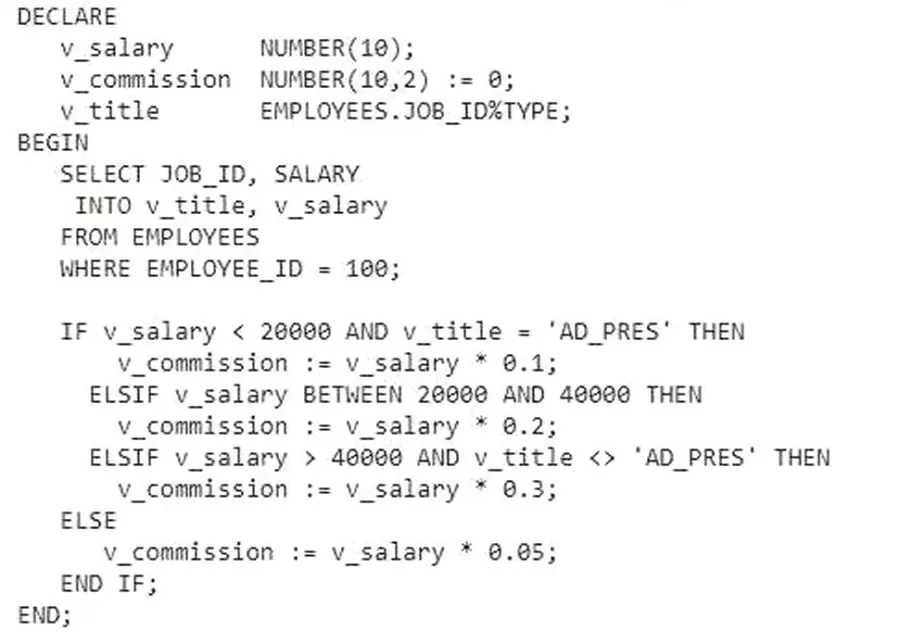
What is the value of v_commission?
Correct Answer:
C. 2500
Examine this row of data from the EMPLOYEES table:
Now, examine this block of code which executes successfully:
What is the value of v_commission?
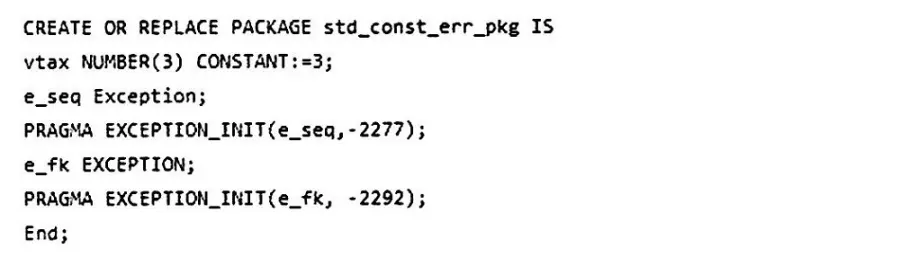
Which code will successfully create a BODILESS PACKAGE to standardize CONSTANTS and EXCEPTIONS declarations?
A.
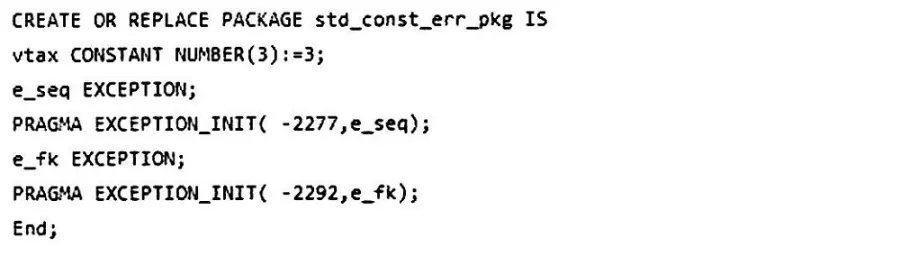
B.
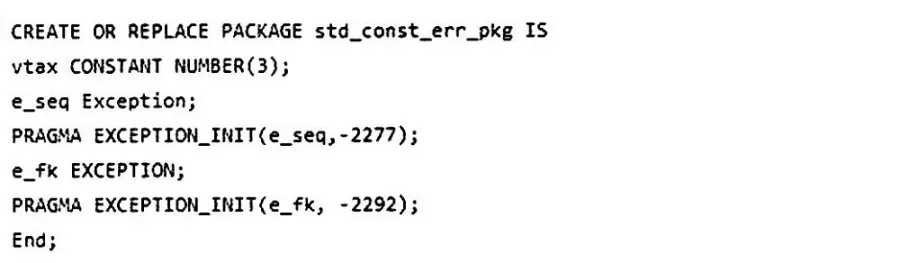
C.
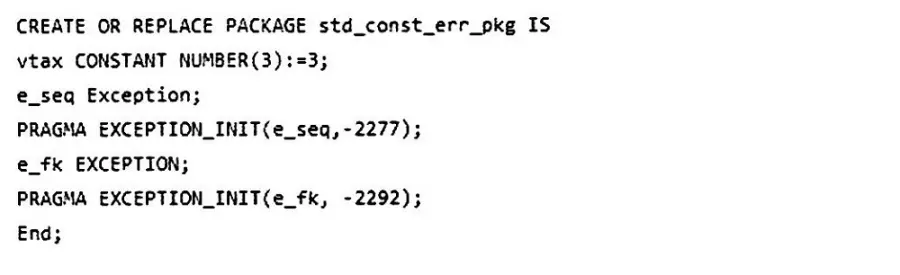
D.
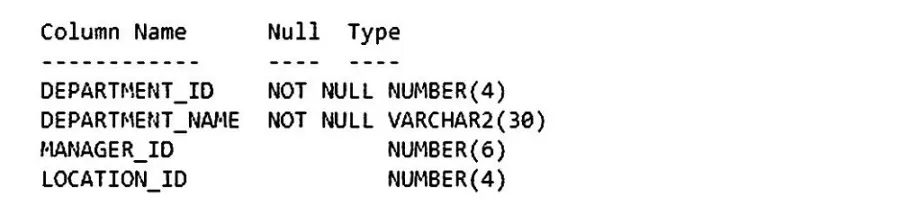
Examine the structure of the ora1.depts table:
Now, examine these statements issued by user ora1 which execute successfully:
Create or replace view dep_vu as select * from depts;
Alter table depts add dep_email varchar2(20);
Finally, examine this block of code executed by user ora1:
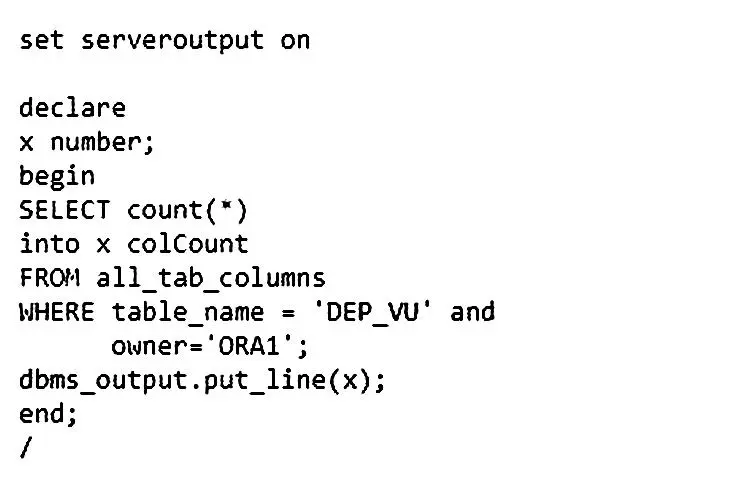
Which is true?
Examine these statements and output:
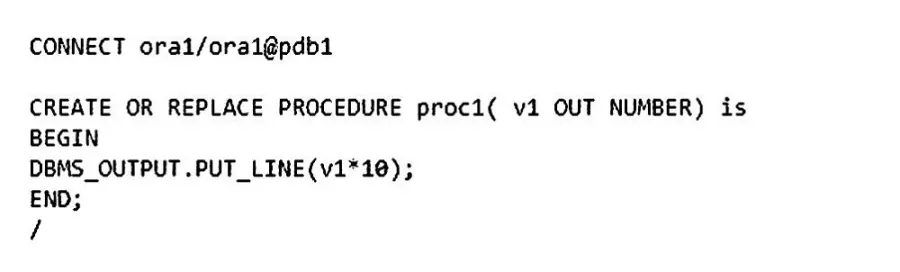
The procedure is created successfully.
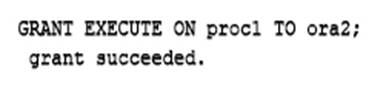
User ora2 has password ora2 in pdb1.
Which script will execute successfully?
A.
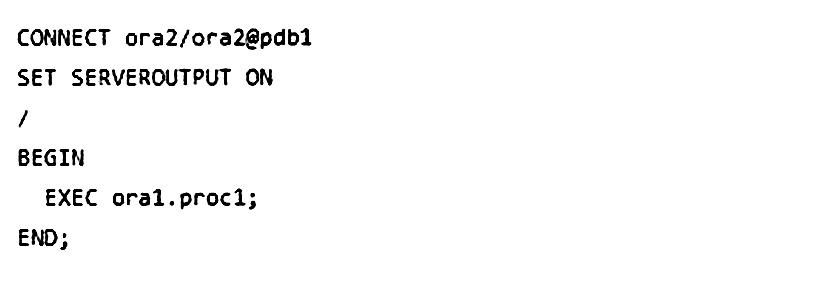
B.
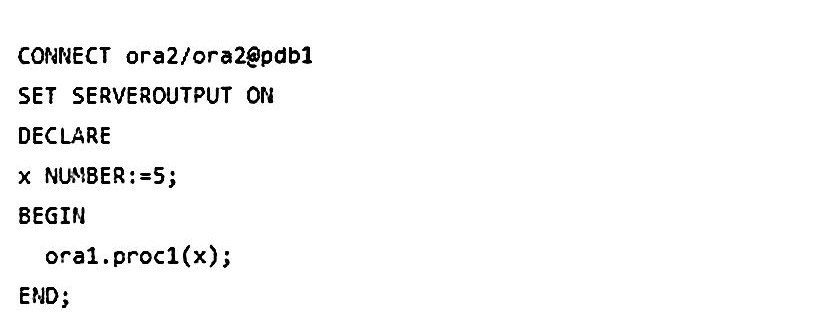
C.
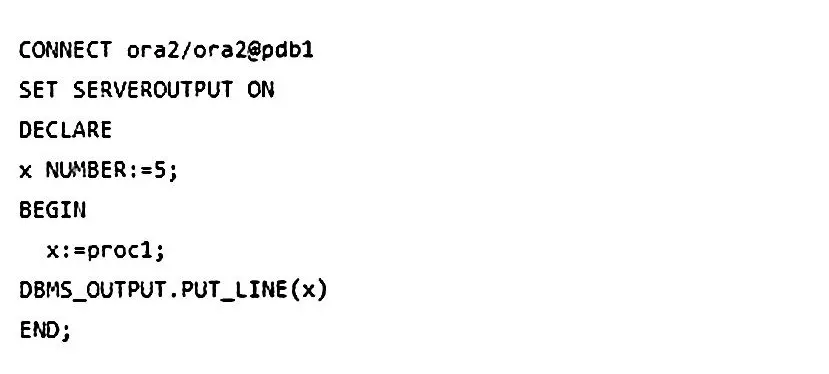
D.
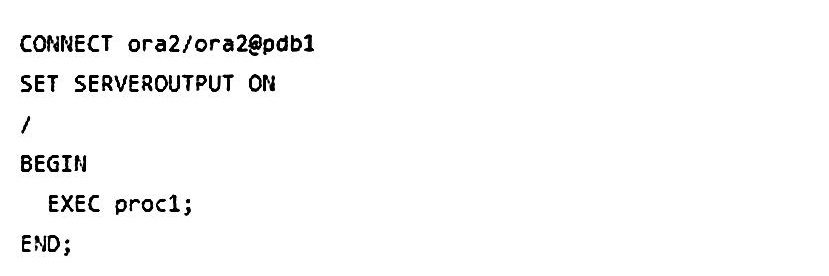
Examine this code:

What will be the outcome?
In one of your databases, table HR.EMPLOYEES includes the columns FIRST_NAME and EMPLOYEE_ID.
A row exists with EMPLOYEE_ID 201.
Examine these packages created by user HR:
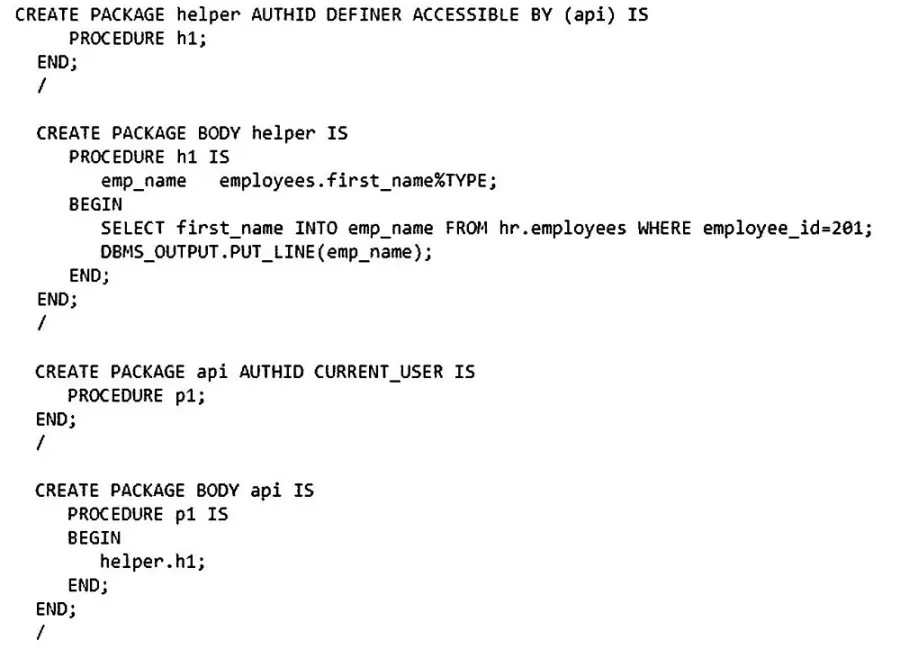
EXECUTE privilege is granted to user SH, on the HR.API and HR.HELPER packages.
Which two will execute successfully? (Choose two.)
Which two are true about using the ACCESSIBLE BY clause? (Choose two.)
Examine these statements from a block of code:
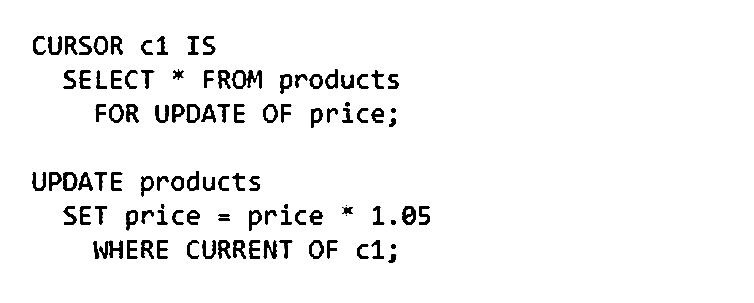
Which two are true? (Choose two.)
Which two are true about Conditional Compilation in PL/SQL using $IF, $ELSE, $END, and $ERROR? (Choose two.)
Examine this table definition in the SH schema.
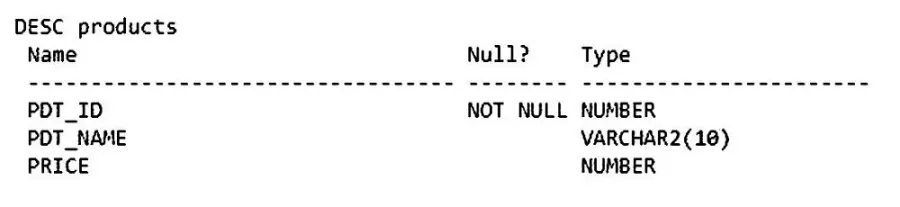
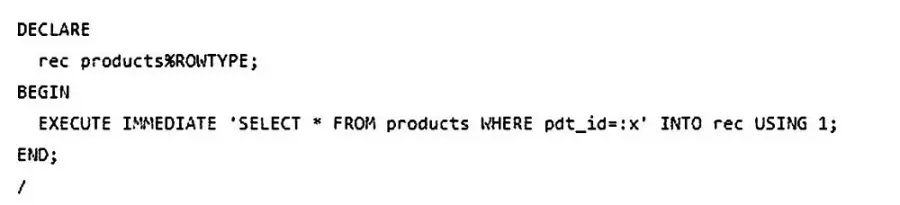
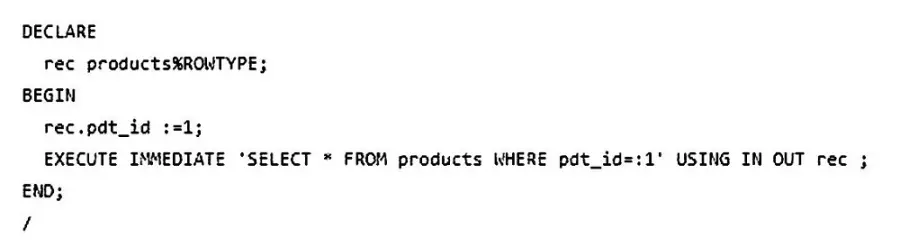
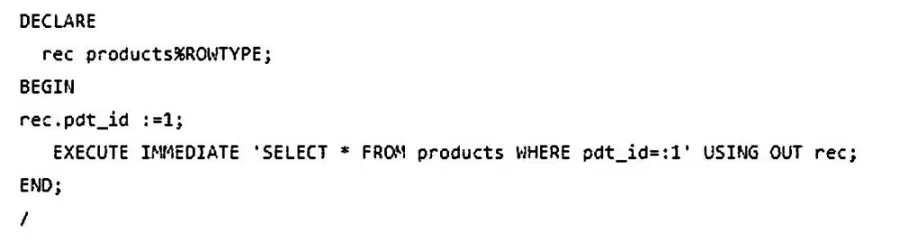
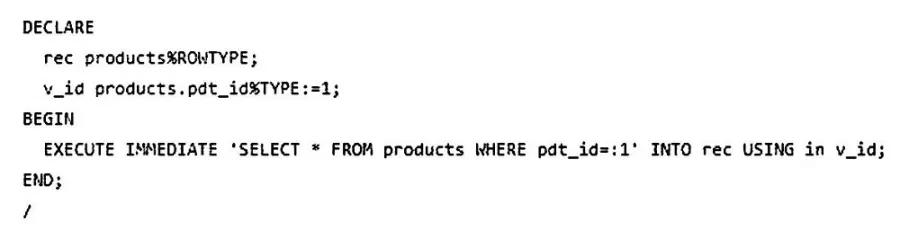
A row with PDT_ID = 1 exists. Which two blocks of code will execute successfully by user SH and give the same output? (Choose two.)
A.
B.
C.
D.